
Walking the Humantay Lake hike from Soraypampa
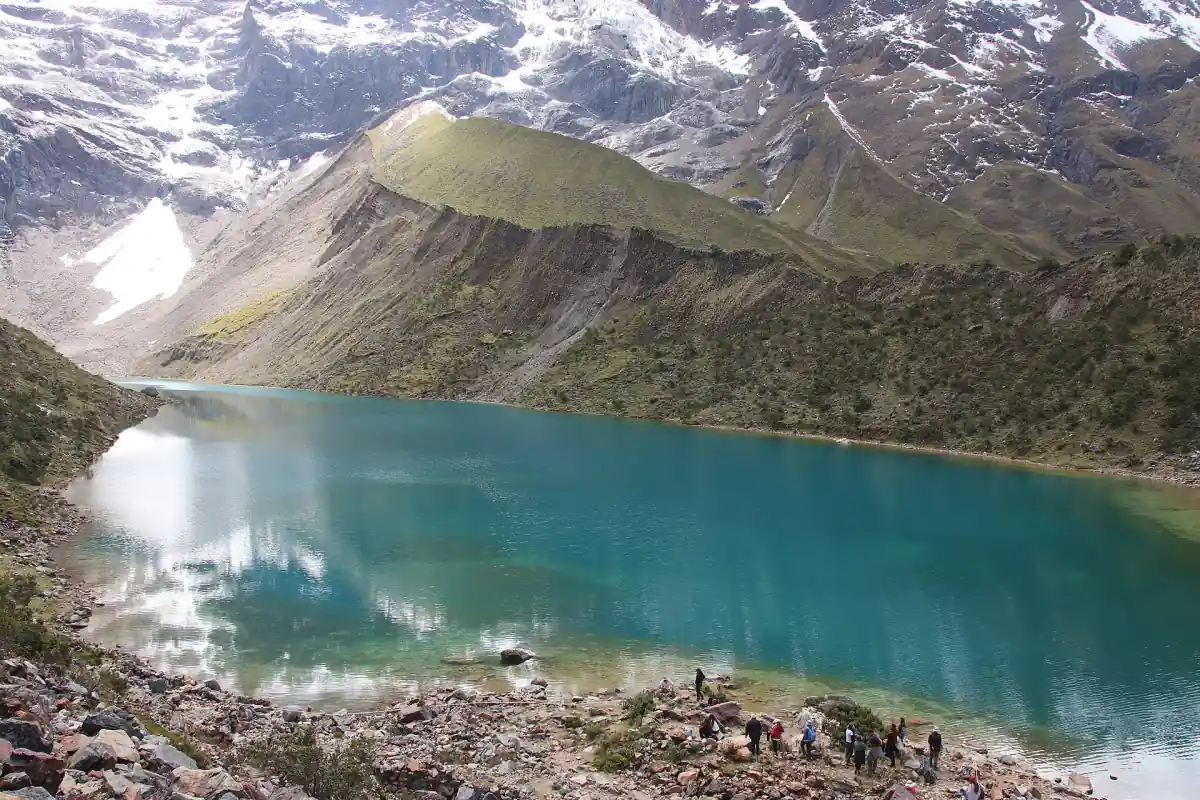
The Humantay Lake hike leads uphill from Soraypampa towards a glacial lake in the Mollepata district of the Cusco region. The steep walking section deserves its own place in your planning: reaching the trailhead by vehicle leaves the ascent and descent still to do. Choose the outing around your ability to walk at altitude, rather than the photograph you hope to take.
Start by separating the mountain walk from the full excursion. The guided options here begin in Cusco and combine travel with the visit. For vehicle arrangements and a broader comparison, use the day trips from Cusco page. This guide concentrates on the walking sequence, the meaning of the route figures and the limits of assistance along the way.
Guided Humantay hikes
The Soraypampa trip includes lake entry and a guided hike. Compare it with the group options and the guided excursion with entry paid separately.
Hand-picked tours, booked through GetYourGuide and Viator. Prices are indicative starting prices in US dollars (as of November 2026). Tap a tour for live availability and the current price in your currency.
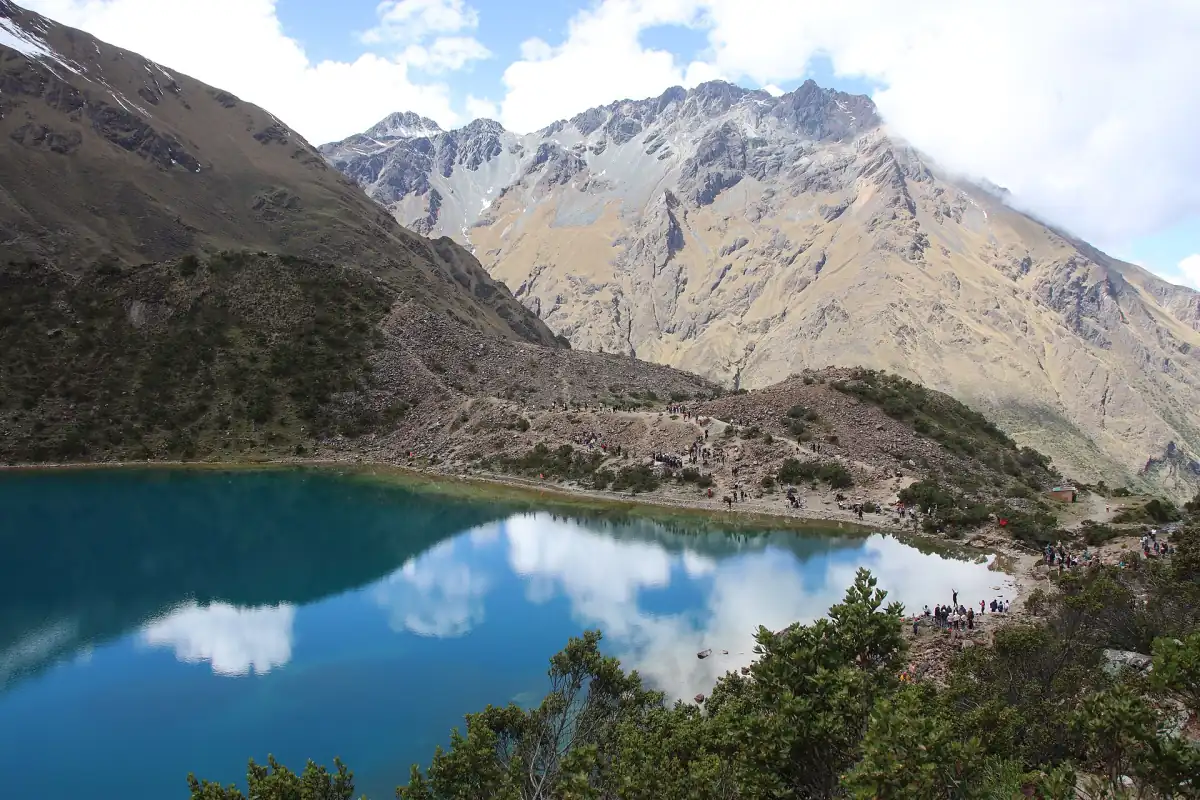
Humantay hike via Soraypampa
- Round-trip transportation Cusco to Soraypampa
- Entrance fee to Humantay Lake
- Andean breakfast and lunch
The visit includes a guided hike to the lake.
Check availability →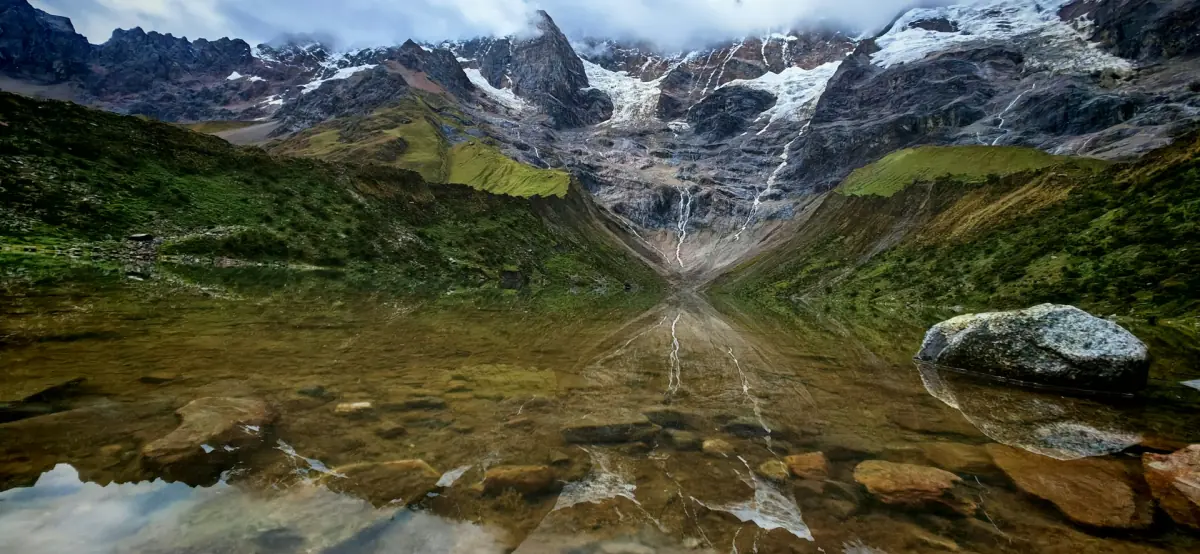
Humantay hike with group options
- Entrance fee for salkantay and humantay
- Buffet lunch vegetarian option available
- Breakfast vegetarian option available
The selected variant determines whether the group is up to 18 or a small group of 1–8.
Check availability →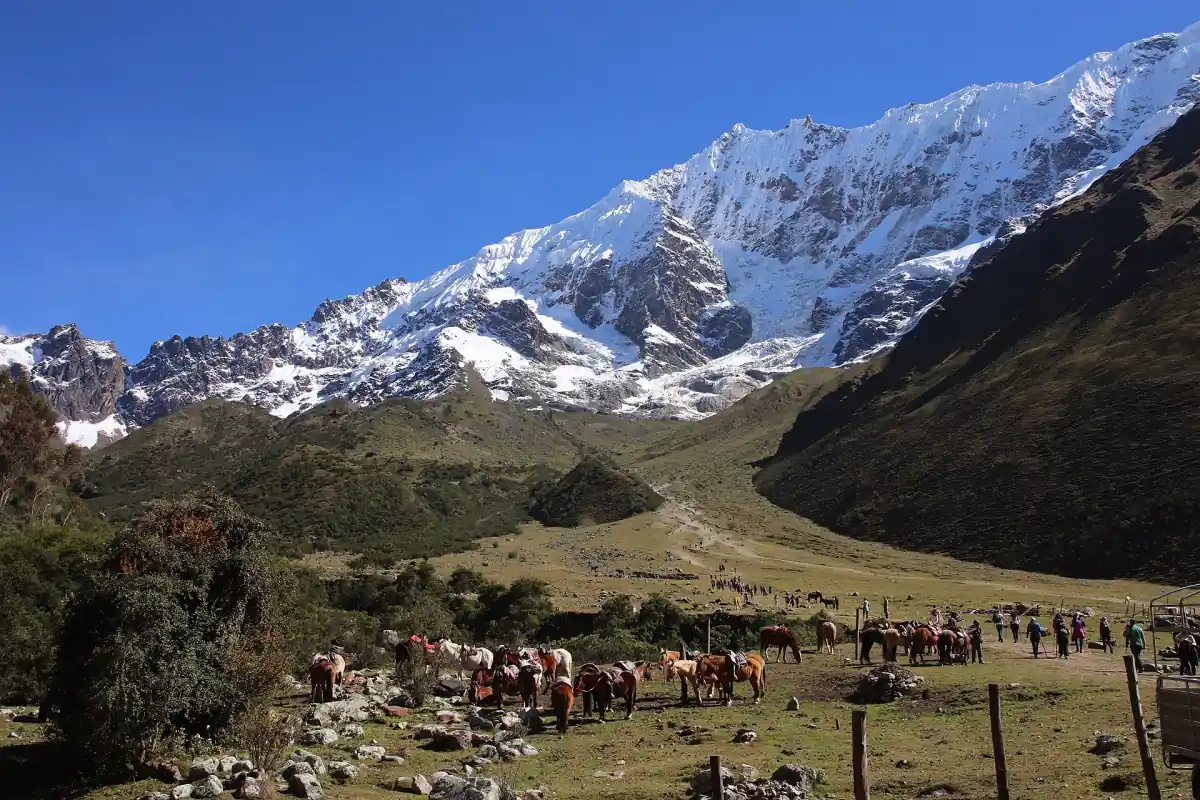
Guided Humantay excursion
- Tourist transport
- Professional guide
- Breakfasts and meal
The entrance ticket is extra.
Check availability →Guided days with the Humantay walk
Choose between a guided hike with lake admission, a transport-and-meal outing with admission extra, and a group option with different group-size variants. These excursions start in Cusco.
Distance, walking time and elevation difference
An operator's route description gives approximately 3 km return and around 3 hours between its Soraypampa camp and the lake. Those figures describe that particular camp-based outing. They are useful for understanding the scale of the walk, but should not be applied to every vehicle drop-off or departure point in Soraypampa.
The same route description places its endpoints at 3,900 and 4,200 m. Their arithmetic difference is 300 m; this is an endpoint difference, rather than a measurement of all accumulated climbing. Keep that distinction when comparing a route description with an excursion's total duration. Time on the road, meals and the mountain walk are separate parts of the day.
Walking sequence: steep ascent and descent
Think of the visit as an ascent, time to look at the lake and a descent. Leave room for the return walk in your decision about continuing uphill. A modest distance on paper does not remove the demands of the high-altitude setting. Read the altitude and preparation guide before fixing this outing into your Cusco stay.
The CDC's general altitude guidance recommends gradual ascent and several days for adjustment. Headache, fatigue, appetite loss, nausea and vomiting can be symptoms of altitude illness. Stop ascending if symptoms develop; worsening at rest calls for descent. Confusion, loss of coordination or severe breathing difficulty require immediate descent and medical help. A booked excursion is a reason to prepare carefully, rather than a reason to press on.
A horse option still involves walking
Local horse services are described for the uphill section from Soraypampa to near the lake. Allow for a remaining section on foot and for walking down. Decide whether you can manage those parts before treating a horse as your preferred arrangement. The horse changes the physical work of part of the ascent; it does not replace acclimatisation.
In the guided hike with Andean breakfast, lunch and lake admission, horses are an optional extra. Keep that cost separate when comparing the walking package. For a day-trip comparison that also includes an uphill-horse product, return to the Cusco excursion page. Choose a service for its stated route and inclusions, without assuming the ride extends to every part of the visit.
Guidance and included services
The guided hike with Andean meals includes hotel pickup, return transport between Cusco and Soraypampa, the guided walk and lake admission. The transport-and-meal excursion includes a professional guide, breakfast, a meal and walking sticks, with admission extra. Compare these concrete differences rather than treating all guided walking days as the same package.
The group excursion with breakfast and buffet lunch includes lake and Salkantay admission, a walking stick and a bilingual guide. Its options distinguish a group of up to 18 people from a small group of 1 to 8. Select the relevant variant if group size matters to you. Hotel pickup in Cusco appears in its inclusions, while the listed meeting location is the fountain in Plaza El Regocijo, also called Kusipata; settle your departure arrangement with the booking team.
The lake visit and the return
Andina's report of 30 September 2026 relayed specialist warnings about avalanche exposure, particularly at the lake outflow, and risks farther down around vehicles and camps. The report gave no end date. Follow current local instructions for the route and visitor movement, and keep the visit focused on the permitted walking itinerary. For an overnight extension, compare the separate Salkantay trekking programmes.
Questions about the walk
Which route does the 3 km return figure describe?
The approximately 3 km return figure belongs to an operator's route from its Soraypampa camp. Use the starting point of your own itinerary when planning the walk.
Can I arrange only a guide at Soraypampa through these offers?
The featured excursions start in Cusco. Their packages combine the journey with the guided visit, so compare them as complete excursions from the city.
Does riding uphill remove the altitude issue?
Altitude preparation still matters, and walking remains part of the outing. A horse is assistance for a section of the ascent, rather than treatment for altitude illness.